
Explore the tools used in bonsai care and learn how to choose them. Understand what each tool does and find the right ones for your tree and the task at hand.
Browse by Tool
Bonsai Scissors / Fine Pruning Scissors / Concave Branch Cutters / Knob Cutters / Cut Paste
Aluminum Wire / Copper Wire / Wire Cutters / Bonsai Pliers
Root Rakes and Hooks / Root Pruning Scissors / Bonsai Soil / Drainage Mesh / Tie-Down Wire
Watering Cans & Hose Nozzles / Tweezers
New to Bonsai? Start Here
What do you need to get started with bonsai? Learn which tools to have on hand first and what to add as you take on new tasks.
Find Tools by Task
Find the tools and supplies you need for your next task.
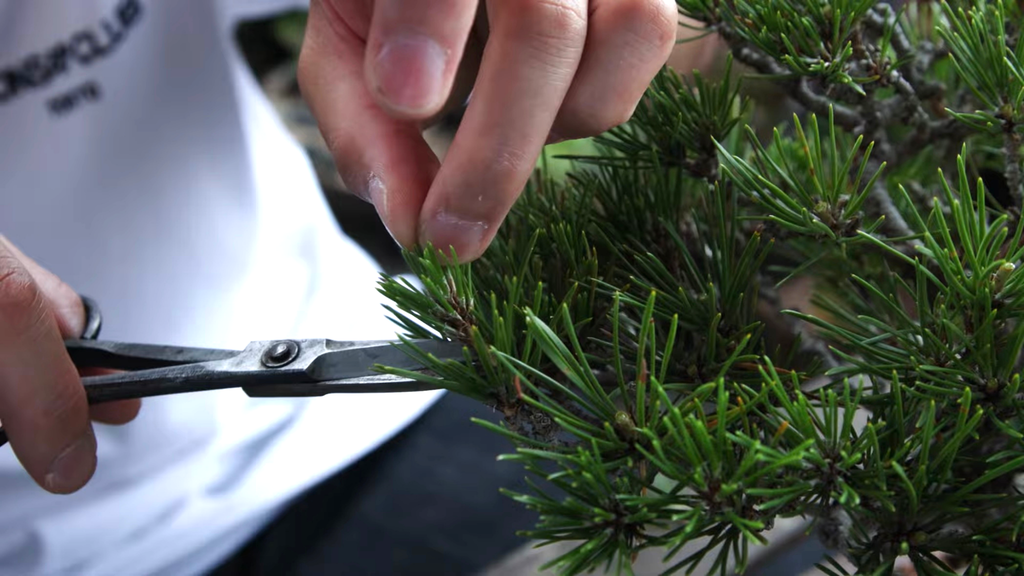
Pruning & Cutting
Tools and supplies for trimming shoots and foliage and removing unwanted branches.
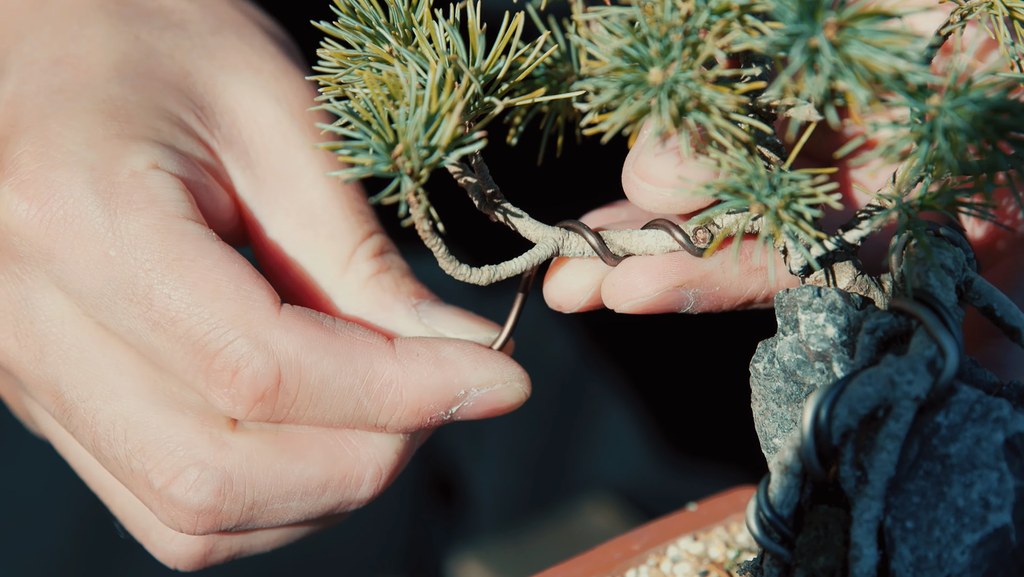
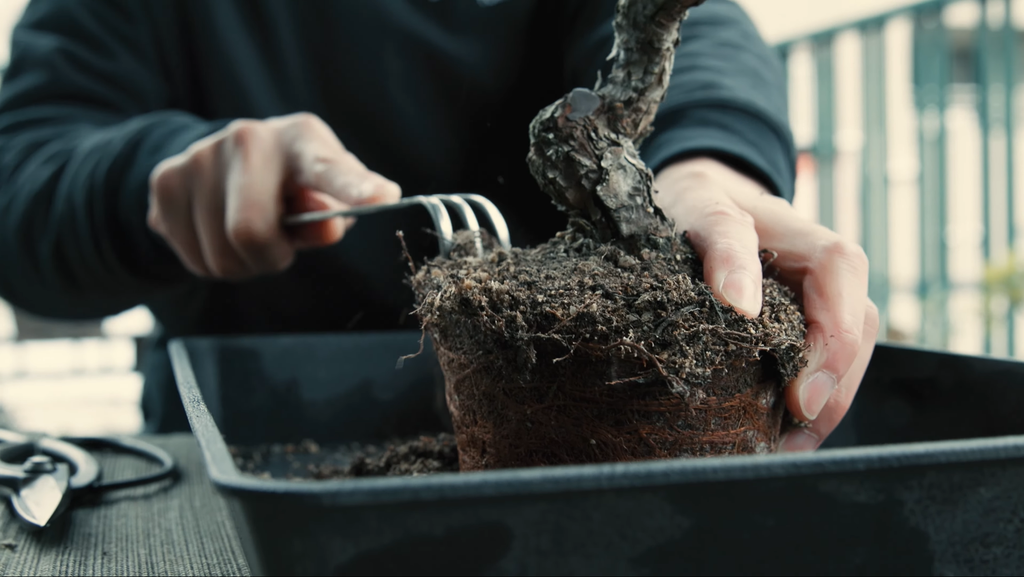
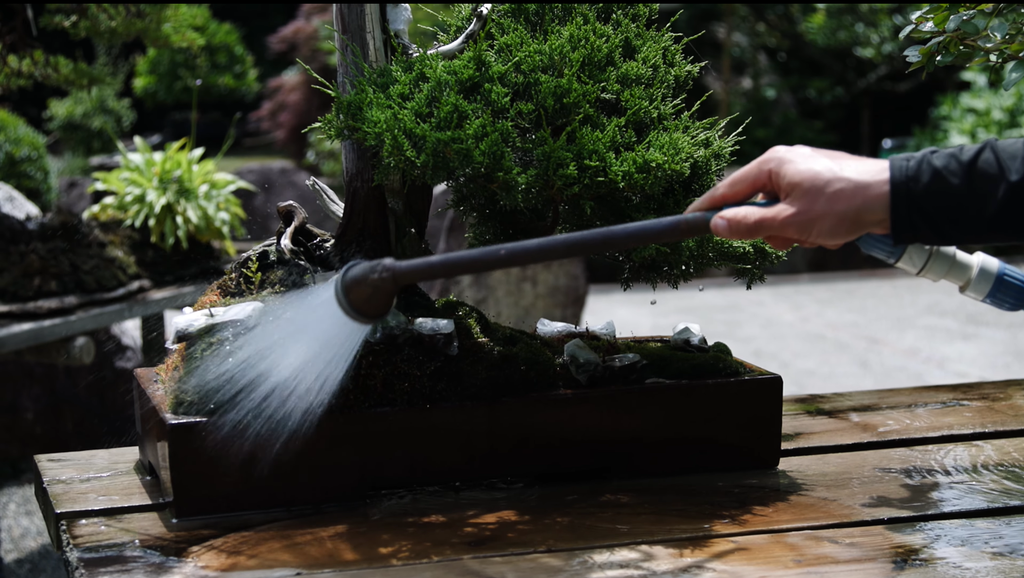
Watering & Daily Care
Tools and supplies for everyday watering, weeding, and clearing away fallen leaves and debris.
Essential Tools for Beginners
You do not need a complete bonsai tool set from the start. Begin with what your tree needs now, then add tools as you take on new tasks.
START WITH
Watering Equipment
Choose a watering can or hose nozzle that delivers a gentle, even shower across the pot without washing away the soil.
Pruning Scissors
Choose scissors suited to the size of your tree and the thickness of the branches you need to cut. Check their intended use and cutting capacity, and avoid forcing fine blades through thick branches.
Tweezers
Useful for removing weeds, dead leaves, and debris from places your fingers cannot easily reach.
ADD AS NEEDED
Wiring Tools and Supplies
Choose bonsai wire suited to your branches, along with wire cutters. Add pliers when you need help gripping or tightening wire.
Repotting Tools and Supplies
Prepare tools for loosening roots, scissors reserved for root work, suitable soil, drainage mesh, and wire to secure your tree in its pot.
Concave Branch Cutters and Knob Cutters
Use concave branch cutters to remove branches at their base. Add knob cutters when remaining stubs or raised areas need further trimming.
Pruning & Cutting
From scissors for trimming shoots and foliage to concave branch cutters and knob cutters for removing branches, each tool has a different role. Choose according to the thickness of the branch and where you need to make the cut.
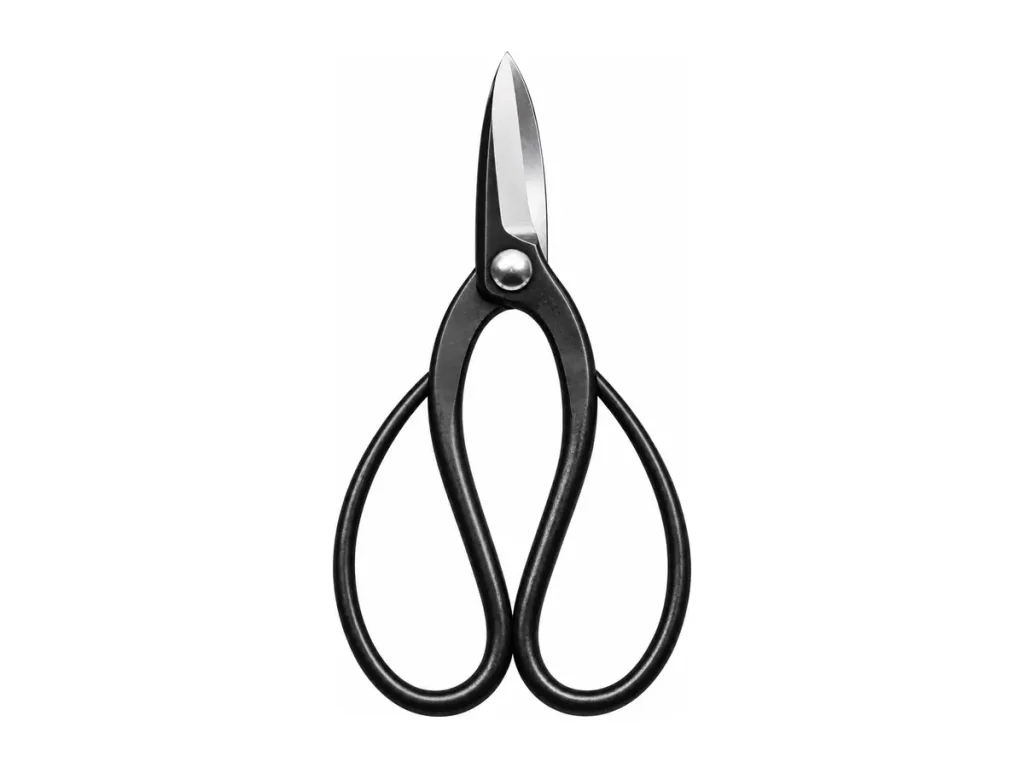
Bonsai Scissors
What they do
Trim new shoots and small branches during routine pruning. Bonsai scissors come in a range of blade and handle shapes.
When you need them
When you begin pruning your tree.
What to look for
A comfortable grip and blades that can reach the intended cut. Check the product specifications for the branch thickness the scissors are designed to cut.
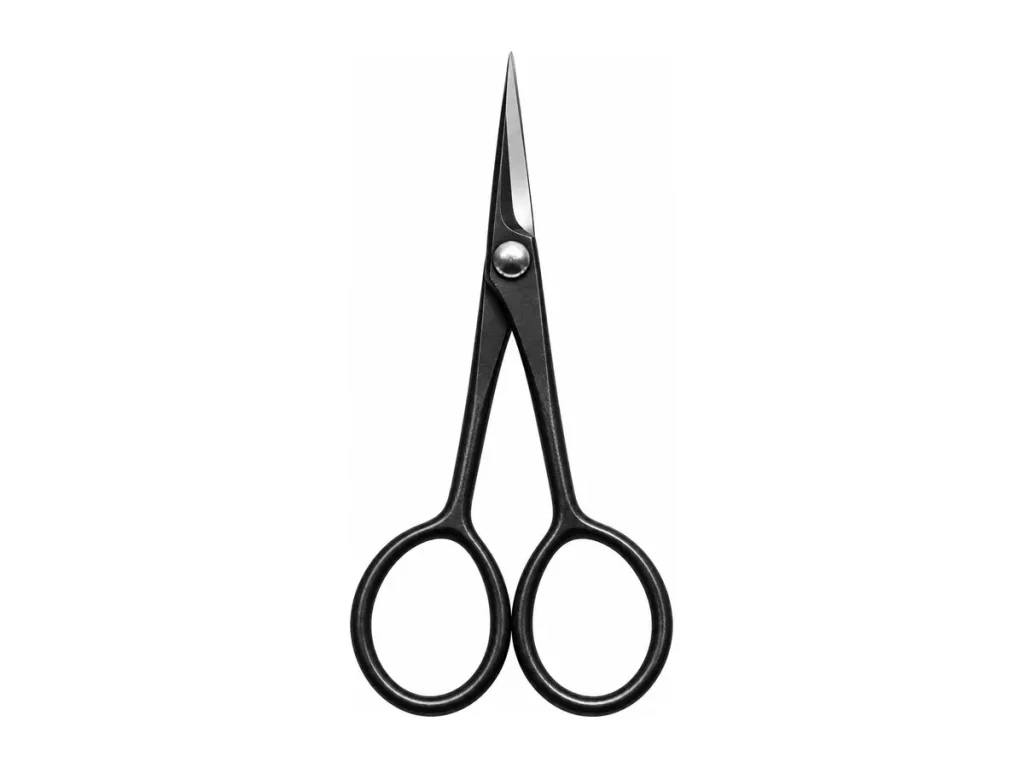
Fine Pruning Scissors
What they do
Make precise cuts on buds, fine shoots, small twigs, and leaves. Slender blades help you reach between closely spaced branches.
When you need them
When your existing scissors are too bulky for detailed work.
What to look for
Fine tips, suitable reach, and smooth opening and closing. Similar tools may be sold as twig scissors or satsuki scissors, so check their shape and intended use rather than relying on the name alone.
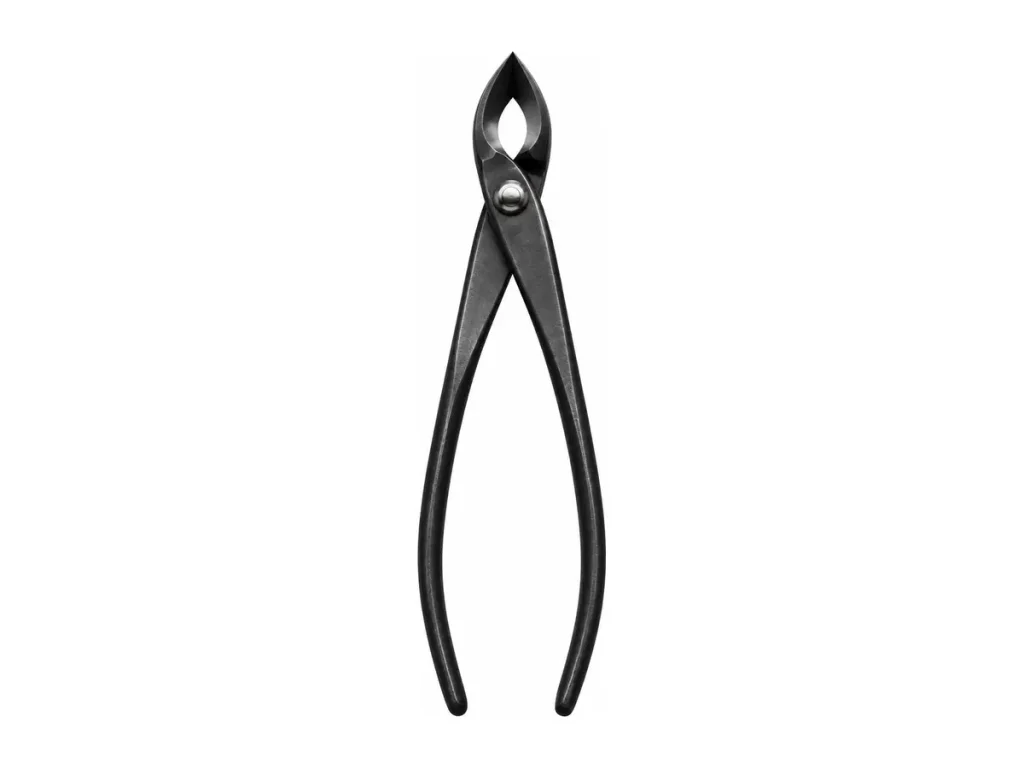
Concave Branch Cutters
What they do
Remove unwanted branches at their base. They are useful for cuts that are difficult to make with scissors.
When you need them
When you need to remove a branch entirely rather than simply shorten it.
What to look for
A size suited to the thickness of the branch, with a blade shape appropriate for the cut. Different designs leave different cut profiles, so check the tool’s intended use and cutting capacity.
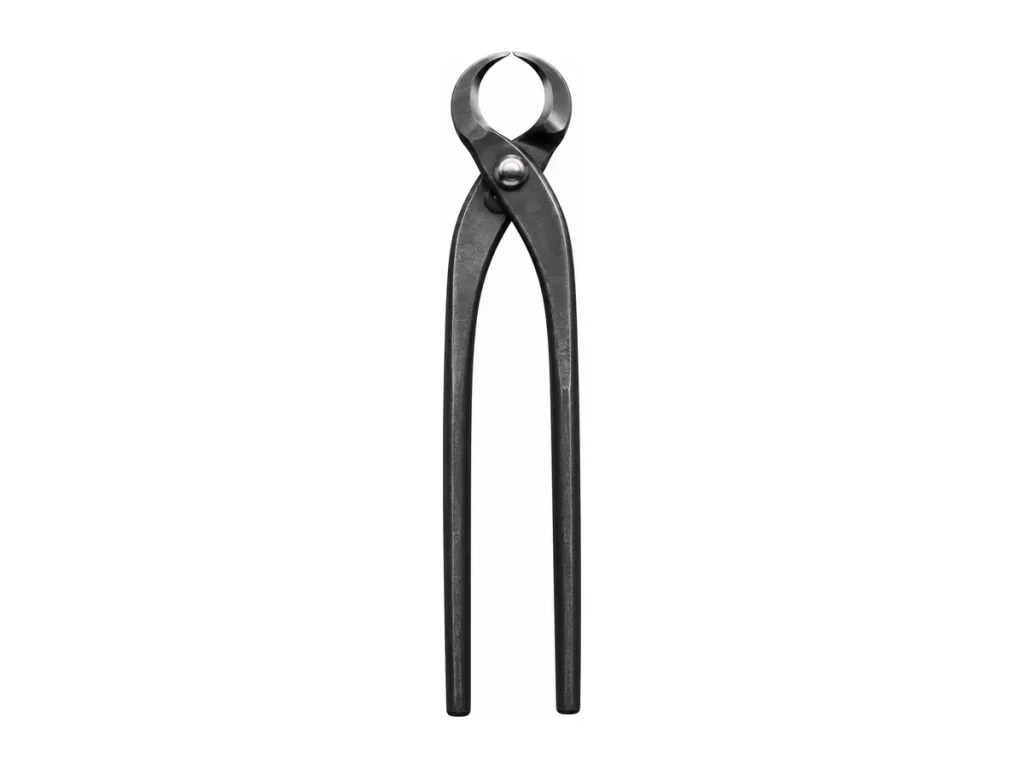
Knob Cutters
What they do
Remove remaining branch stubs and unwanted woody knobs. Their rounded blades allow you to take away small pieces at a time.
When you need them
When a stub needs further trimming after a branch has been removed with concave branch cutters or another tool.
What to look for
Blades suited to the size of the area you need to remove, and a tool that feels comfortable to handle. The rounded blades can cut deeply, so work gradually rather than removing a large piece in one cut.
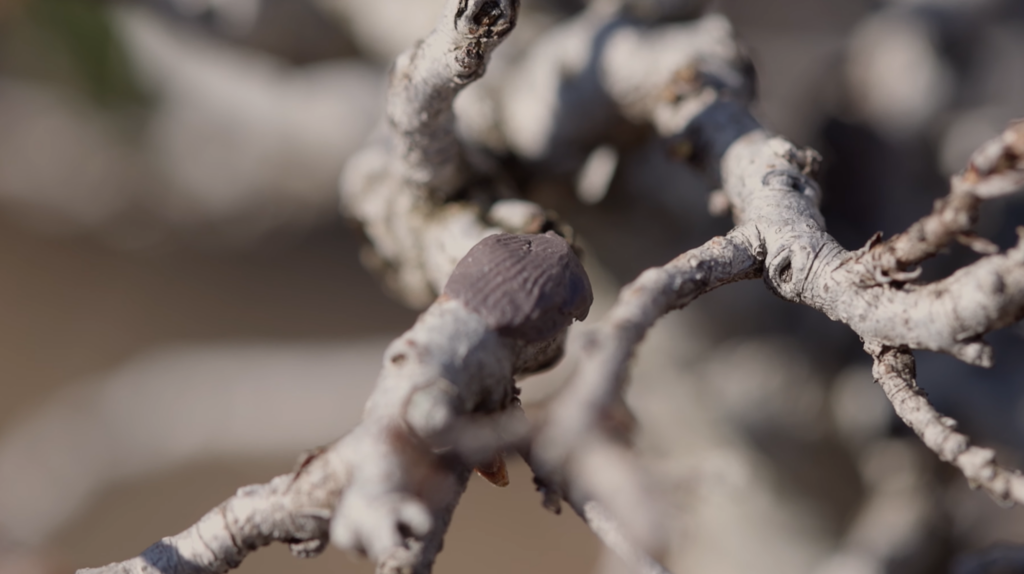
Protecting Pruning Wounds
Alongside pruning tools, wound sealants such as Cut Paste are used to protect cut surfaces. Choose a product suited to the intended use.
Wiring & Shaping
Explore the tools used to adjust branch position and shape your bonsai. Choose wire and tools suited to the task, paying attention to the wire’s material and thickness.
Aluminum Wire
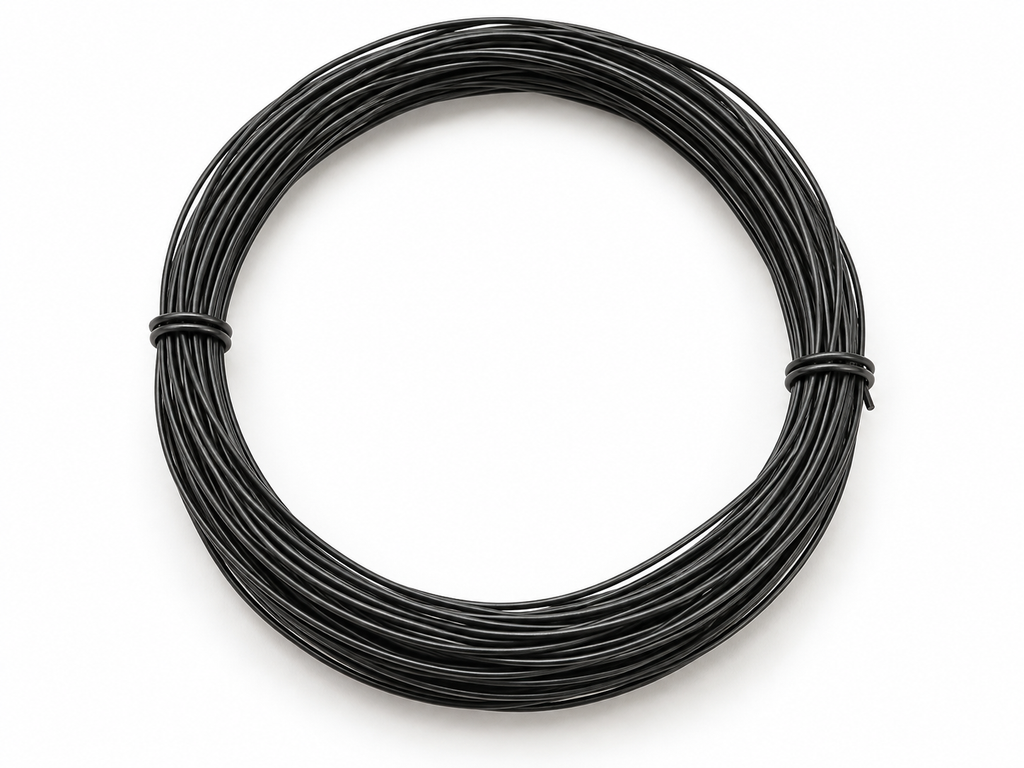
What it does
Used to position and shape branches by wrapping wire around them. Soft and easy to handle, aluminum wire is well suited to deciduous trees and fine branch work.
When you need it
When you first start wiring your bonsai.
What to look for
Choose bonsai wire in a thickness suited to the size and stiffness of the branch. Start with small quantities in the sizes you need.
Copper Wire
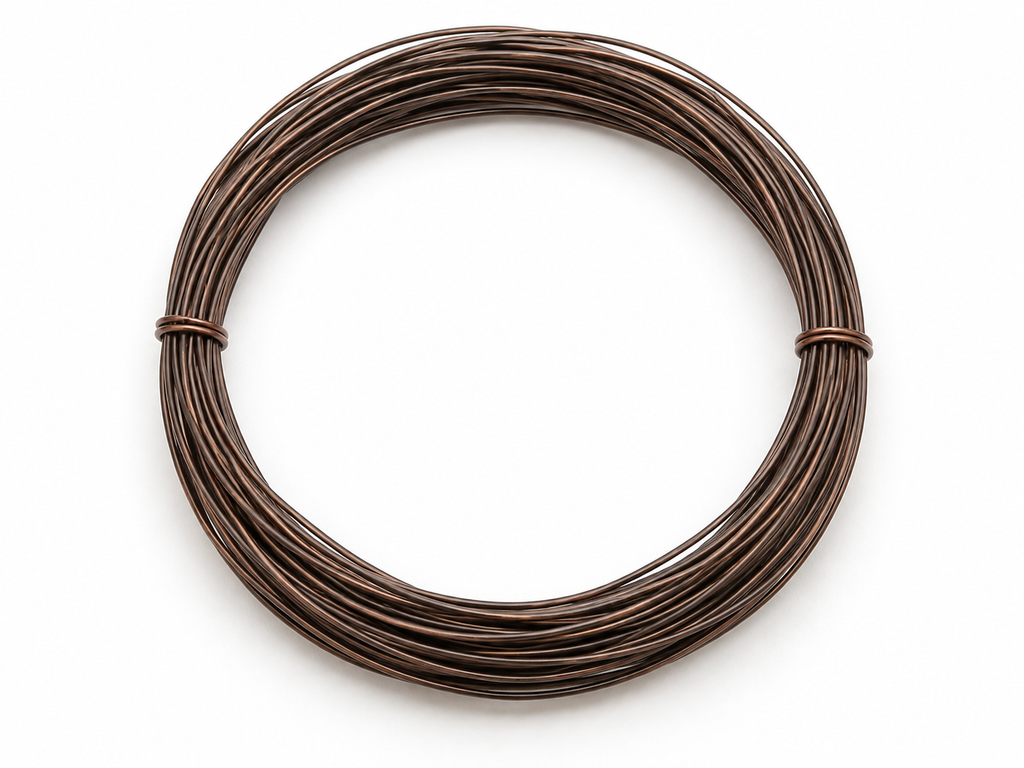
What it does
Holds branches in position after bending. Commonly used on conifers such as pines and junipers, copper wire provides greater holding strength than aluminum wire.
When you need it
When you are comfortable with wiring and want to choose between materials to suit different branches.
What to look for
Choose annealed copper wire intended for bonsai. It handles differently from aluminum wire of the same thickness, so consider both the branch size and how easily you can bend the wire.
Wire Cutters
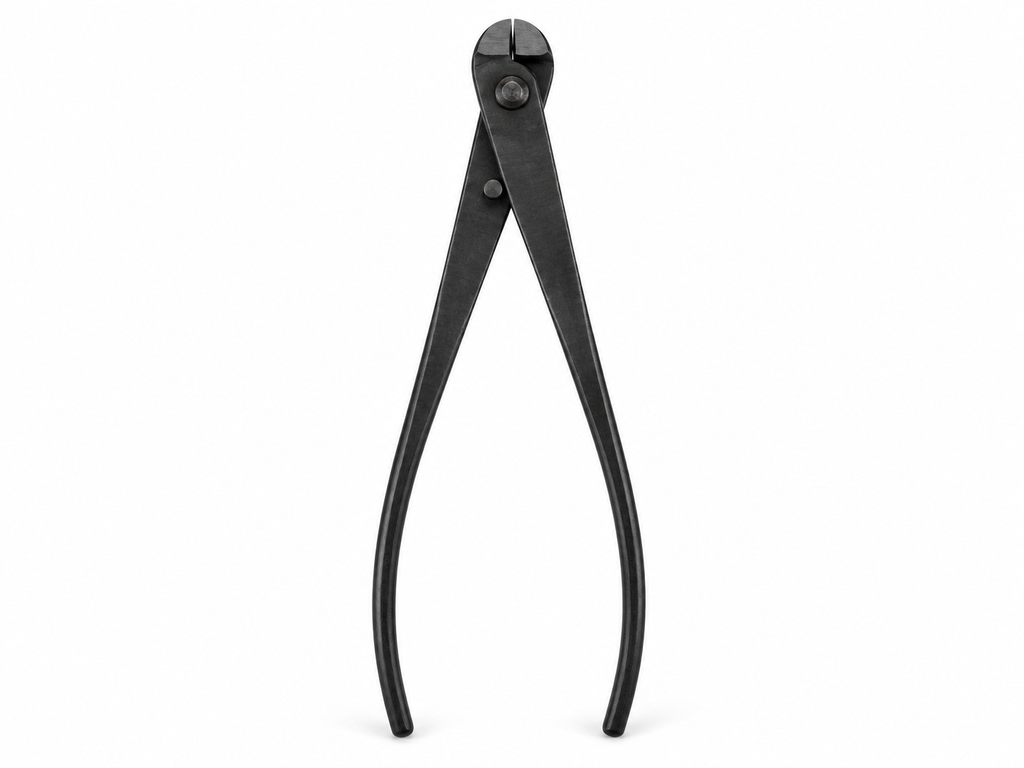
What they do
Cut wire to the required length and snip wire on branches into sections for removal.
When you need them
When you start wiring, alongside your first bonsai wire.
What to look for
Choose cutters suited to the material and thickness of your wire. For closely spaced branches, check that the cutting head is small enough to reach the wire.
Bonsai Pliers
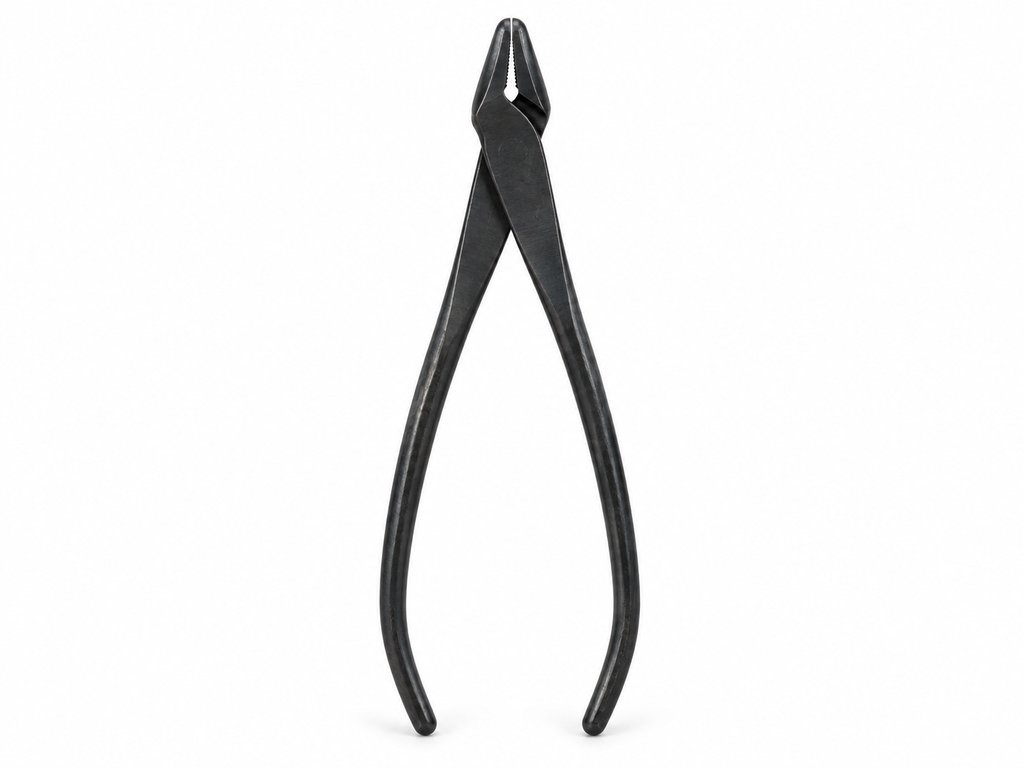
What they do
Grip, bend, and tighten wire. They are also useful when removing wire.
When you need them
When gripping or tightening wire with your fingers becomes difficult.
What to look for
Choose pliers that fit comfortably in your hand and open and close smoothly. For detailed work, look for a slender tip that can reach tight spaces and grip the wire securely.
Repotting
Explore the tools used to loosen and prune roots before replanting in fresh soil. Have suitable soil, drainage mesh, and wire for securing your tree ready before you begin.
Root Rakes and Hooks
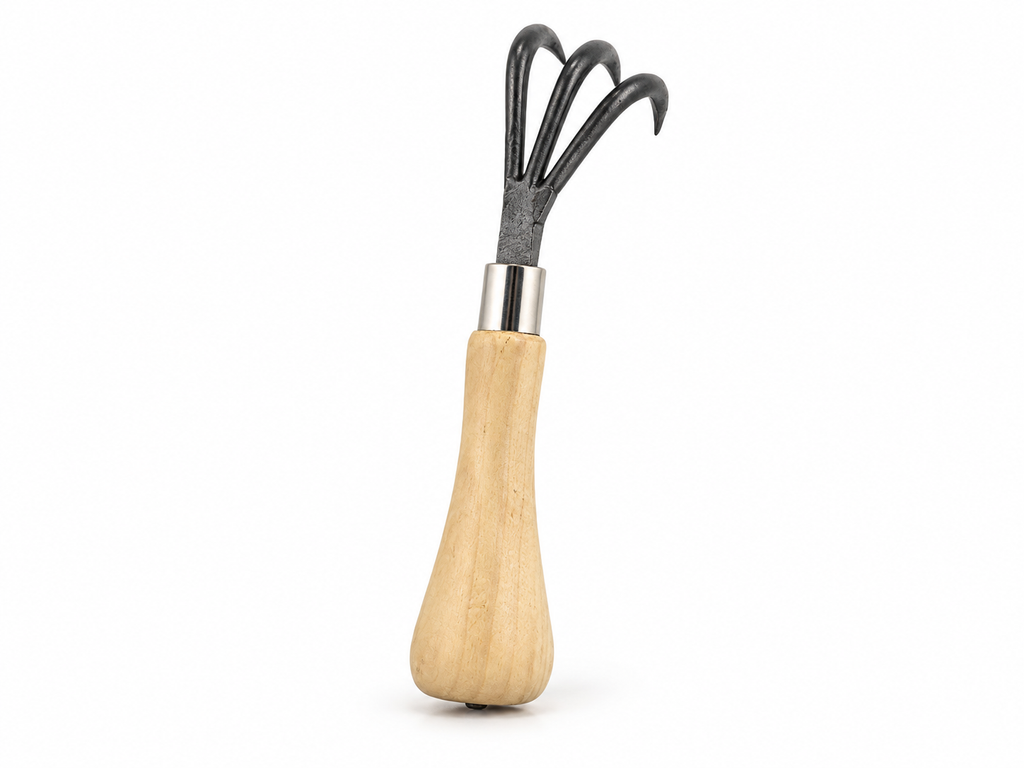
What they do
Loosen the root ball and remove old soil after the tree is taken out of its pot. Designs range from single hooks to rakes with several prongs.
When you need them
When repotting involves loosening tightly packed roots.
What to look for
Choose a tool suited to the size of the root ball and comfortable to handle. A fine tip and a compact shape are useful for small bonsai and detailed work.
Root Pruning Scissors
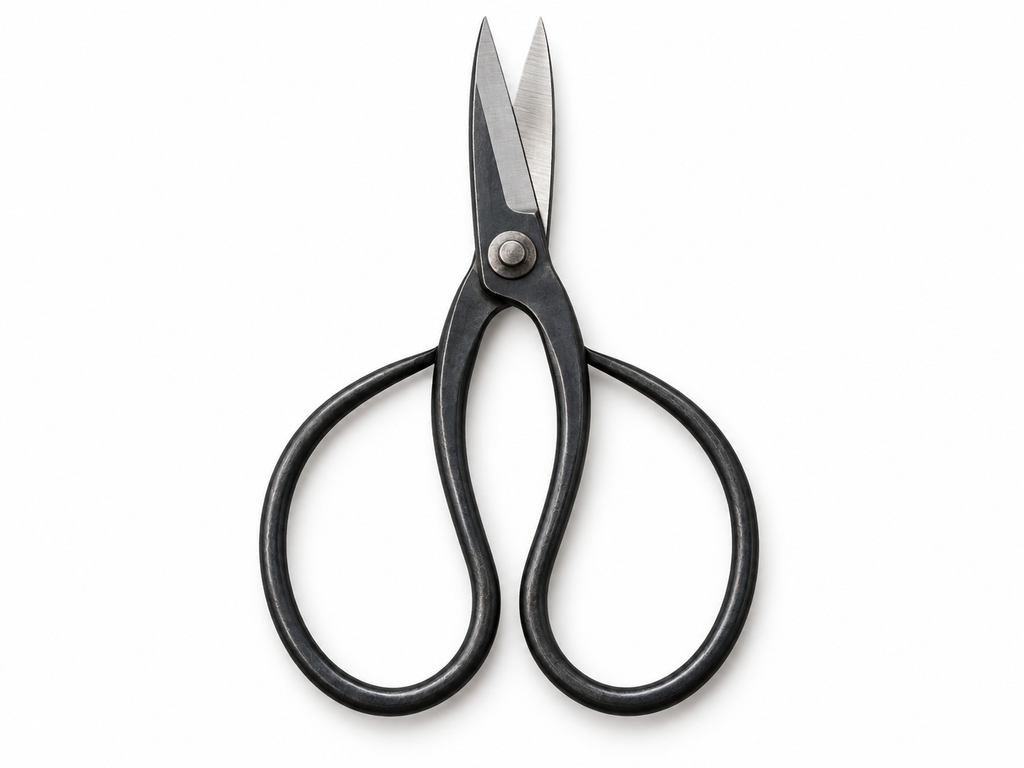
What they do
Trim long or unwanted roots during repotting.
When you need them
When you first repot a tree that needs root pruning.
What to look for
Choose scissors suited to the thickness of the roots, with blades that can reach where you need to cut. Keep a separate pair for root work rather than using the same scissors for roots and branches.
Supplies for Repotting
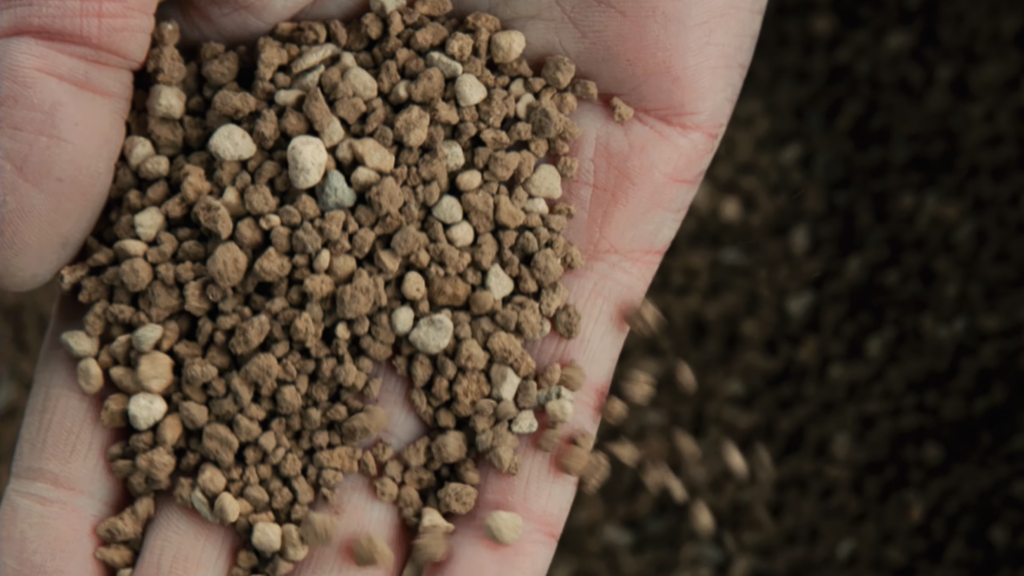
Bonsai Soil
Choose soil suited to your tree species and growing conditions. Along with the mix, consider the particle size in relation to the size of the pot.
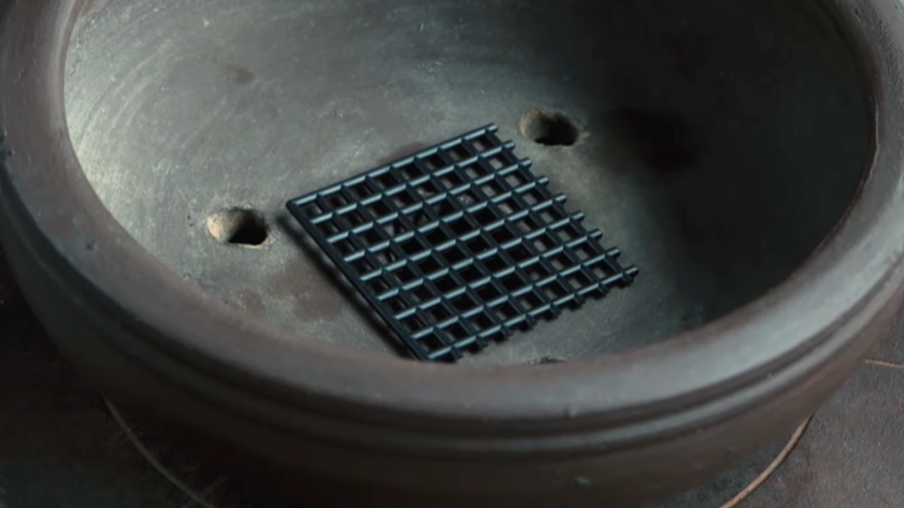
Drainage Mesh
Keeps soil from falling through the drainage holes. Cut pieces large enough to cover each hole.
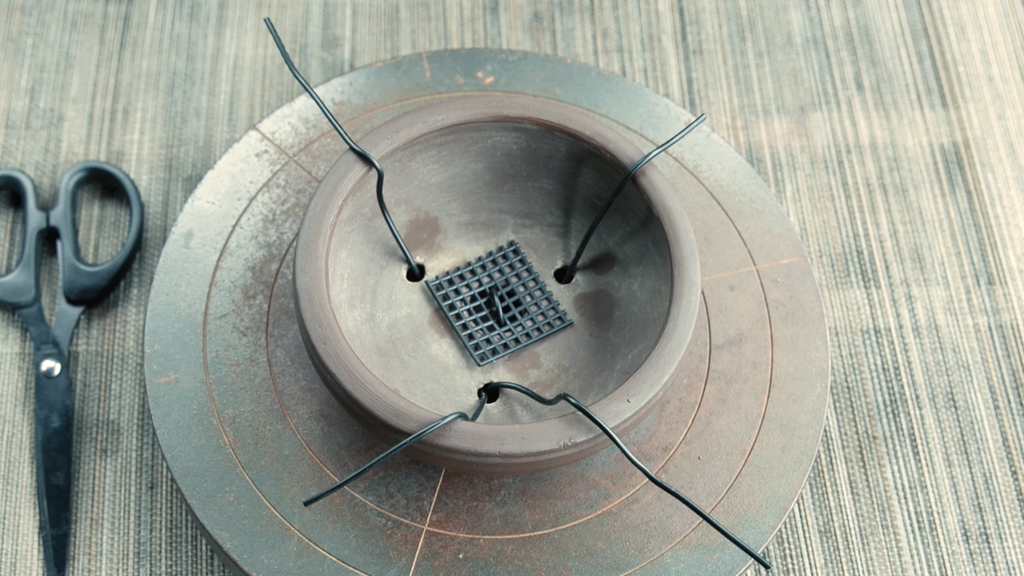
Tie-Down Wire
Secures the tree in its pot to keep it from wobbling after planting. Prepare the wire to suit the position of the pot’s holes and the root ball.
Watering & Daily Care
Explore tools for everyday watering and removing weeds, dead leaves, and debris. Choose equipment that suits the number of pots you have and where you keep them, and is comfortable to use regularly.
Watering Cans & Hose Nozzles
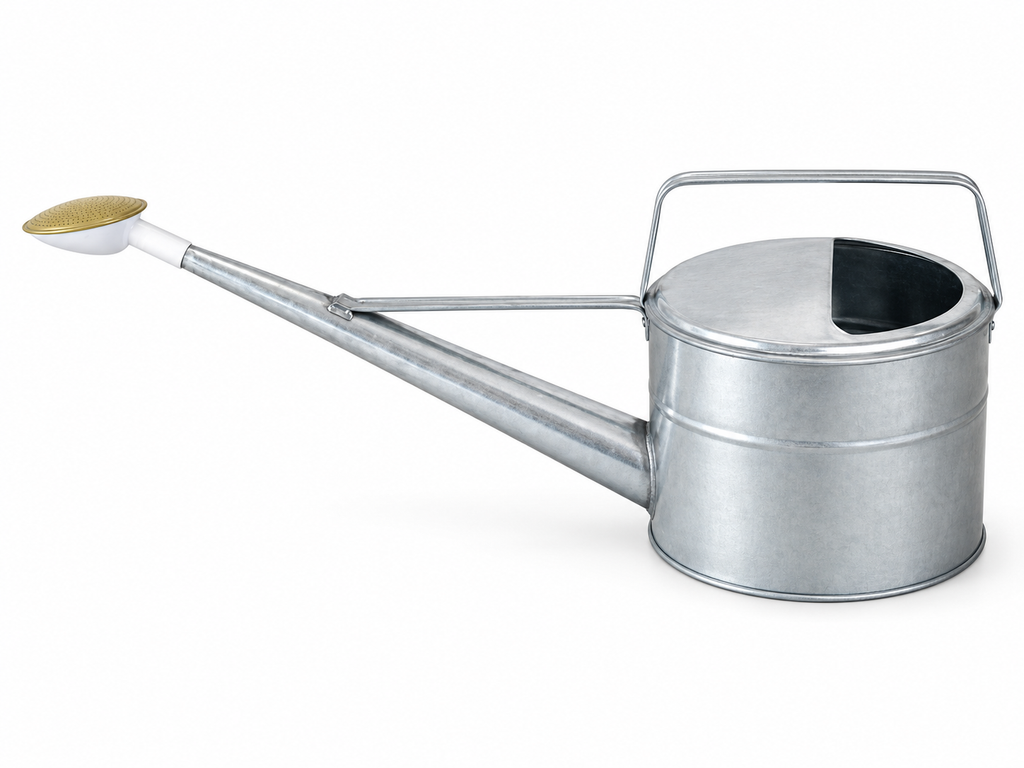
What they do
Deliver a gentle flow of water across the pot without washing away the soil.
When you need them
When you get your first bonsai. You do not need both a watering can and a hose nozzle.
What to look for
Consider the number of pots you have and their distance from a water source. Choose a watering can you can comfortably carry when full, or a hose nozzle with an easily adjustable flow.
Tweezers
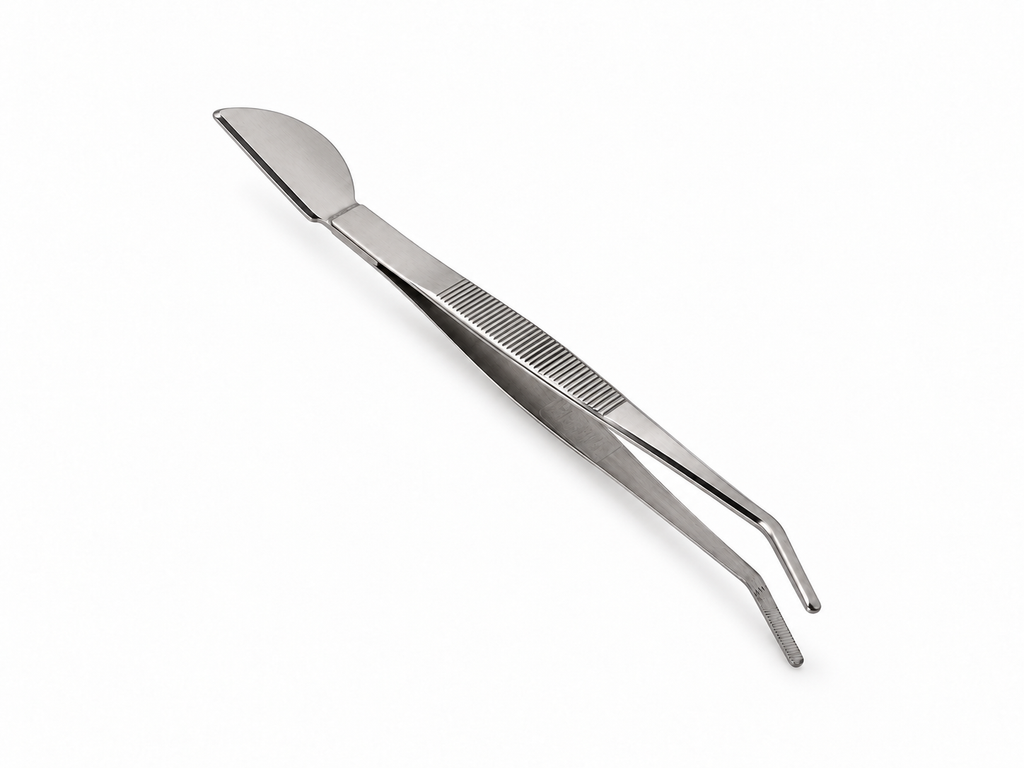
What they do
Pick out weeds, dead leaves, and debris from places your fingers cannot easily reach.
When you need them
When weeding or cleaning small spaces becomes difficult with your fingers alone.
What to look for
Choose tweezers with tips that meet neatly and grip with light pressure. Check that their length and tip shape let you reach between branches and into the corners of the pot.