After removing a branch, how should you protect the cut left on the trunk? Bonsai cut paste, or wound sealant, is a material used to cover pruning wounds. This guide explains how to choose according to the size of the cut and the tree species, compares three Cut Paster products, and describes how to use them.
This article contains advertising and affiliate links.
What cut paste does / How to choose / Three products compared / Use and storage
What bonsai cut paste does: protecting pruning wounds
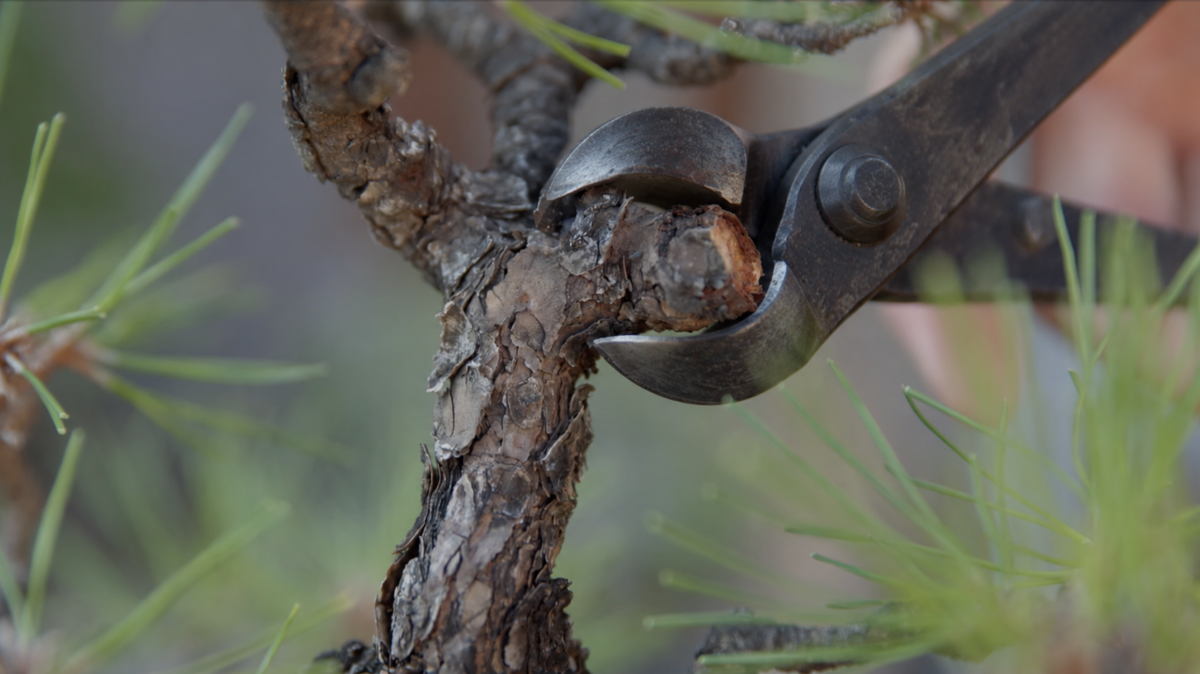
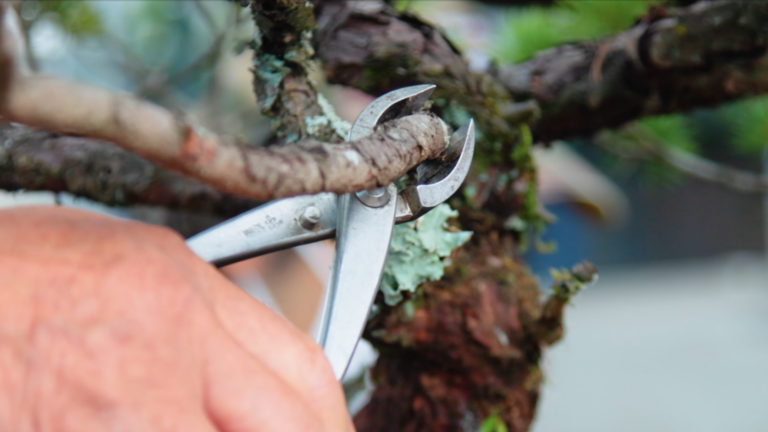
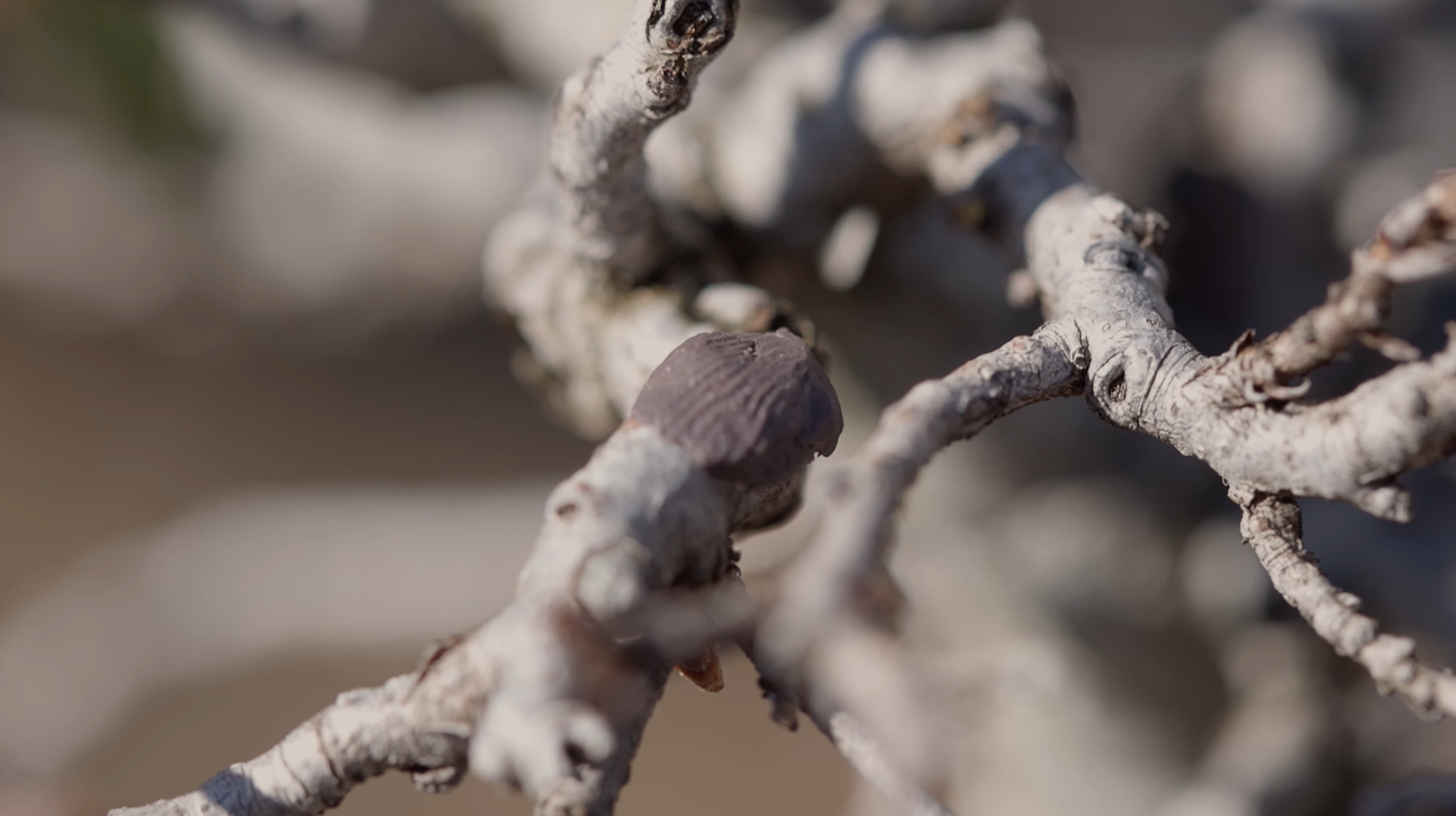
In bonsai, cut paste is used on wounds left after removing a thick branch or cutting away a protruding stub with a knob cutter. Its role is to cover and protect the exposed cut. It is not applied automatically to every tiny cut made when trimming shoots; its use depends on the species and the work being done.
A tree gradually covers a wound as new tissue develops from its edges. In Japanese bonsai, this growth is called nikumaki. How quickly it progresses depends on the species, the tree’s vigor, the size of the wound, and the timing of pruning. Applying cut paste does not guarantee faster wound closure.
Wound coverings and fungicides serve different purposes
The Cut Paster products introduced here are resin-based wound coverings. By contrast, Topsin M Paste contains a fungicidal active ingredient and is registered as a pesticide in Japan, with specified crops, uses, application timings, and limits on the number of applications. If disease is suspected, establish what treatment is needed before covering the wound, and follow the product label when using a pesticide.
Choose cut paste by wound size and tree species
Spreadable paste for small cuts; moldable compound for wider wounds
A spreadable paste is convenient for small cuts because you can apply a little at a time. For wider wounds left after branch removal, or cuts with a hollow surface, Cut Paster Hi is an option: take the amount you need, shape it, and press it onto the wound. Hi can also be used on small cuts.
The manufacturer recommends paste alone for cuts around 1–2cm across, and Hi together with paste for larger wounds. This is a guide to using these products, rather than a universal rule for deciding which cuts require a wound covering.
Choose the conifer or deciduous version of Hi for your tree
Cut Paster Hi comes in a conifer version with a green lid and a deciduous version with a white lid. Choose the conifer version for trees such as pines and shimpaku junipers, and the deciduous version for trees such as maples and zelkovas. The versions have colors that blend with the bark, while their basic purpose is the same. The conifer product featured here is also described by the Japanese retailer as suitable for satsuki azaleas.
Cut Paster Paste is suitable for both conifers and deciduous trees. Choose the container size according to the number of trees and the amount of work you do; a small container is enough for occasional use.
Three Cut Paster products compared
Here we introduce Hanagen’s 50g Cut Paster Paste and the 190g deciduous and conifer versions of Cut Paster Hi.
| Product | Type and size | Main use |
|---|---|---|
| Cut Paster Paste | Spreadable paste · 50g For conifers and deciduous trees | Applying small amounts to small pruning cuts |
| Cut Paster Hi for deciduous trees | Moldable compound · 190g White lid | Covering wounds after branch removal on deciduous trees |
| Cut Paster Hi for conifers | Moldable compound · 190g Green lid | Covering wounds after branch removal on conifers and satsuki azaleas |
Cut Paster Paste · 50g

This paste can be applied a little at a time and spread over the cut, and is suitable for both conifers and deciduous trees. It is convenient for small pruning wounds, with a spatula or similar tool allowing you to control the area covered even in narrow spaces between branches.
View Cut Paster Paste on Hanagen’s website →
Cut Paster Hi for deciduous trees · 190g

The white lid identifies the deciduous version. Take the amount you need, shape it, and press it firmly onto the cut. It is an option for protecting wounds left after branch removal on deciduous trees, including hollow cuts refined with a knob cutter.
View Cut Paster Hi for deciduous trees on eBay →
Cut Paster Hi for conifers · 190g
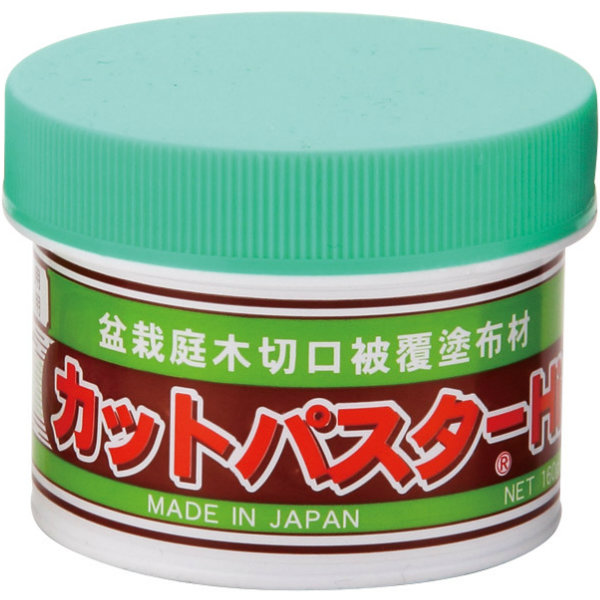
The green lid identifies the conifer version. Like the deciduous version, it is shaped to fit the wound and pressed into place. It is intended for trees such as pines and shimpaku junipers; the Japanese retailer used for the featured product also lists it for satsuki azaleas.
View Cut Paster Hi for conifers on eBay →
How to use and store bonsai cut paste
1. Refine the cut and remove debris
Prune at a time suited to the species and the tree’s vigor, and refine any remaining protrusion if needed. Use clean tools to remove wood fragments, moss, and soil from the cut, without enlarging the wound simply to apply paste. On an old wound, take care not to damage newly formed tissue.
See our guide to choosing and using concave cutters →
See our guide to choosing and using knob cutters →
2. Cover the wound and press the compound into place
Spread the paste over the cut with a clean spatula or similar tool. For Hi, slightly wet your fingers, take the amount you need, and press it to match the shape of the cut. Check the edges for gaps or areas that are lifting.
For larger wounds, the manufacturer describes pressing Hi onto the cut, then adding paste over it to seal gaps. Follow the product instructions for the area to cover and the thickness to apply.
3. Keep newly applied paste away from rain and watering
Cut Paster Paste is water-soluble, so keep it away from rain and irrigation water for 3–4 hours after application. The same applies when paste is used together with Hi. Before starting, check the condition of the potting soil and plan your watering and a sheltered place for the tree.
4. Monitor the wound and close the container after use
After application, watch for lifting material, an exposed cut, or discoloration around the wound. Forcibly peeling off the covering to inspect wound closure can damage new tissue. Decide whether to remove or reapply the material according to the wound’s condition and the product instructions.
After use, wipe the container opening and close the lid securely. Do not return material you have removed to the container. Store it out of children’s reach and under the conditions stated on the label. If the paste outlet becomes blocked, do not force the contents out by squeezing hard.
For detailed product instructions, see Hanagen’s official Cut Paster guide.