Root pruning scissors and root cutters are used during bonsai repotting to trim back roots and prepare the root ball. Scissors suit trimming fine roots, while root cutters close their jaws around thicker roots. Choose between them according to the thickness and hardness of the roots.
This article contains advertising and affiliate links.
Uses / How to Choose / Models / Use and Care
What Are Bonsai Root Scissors Used For?
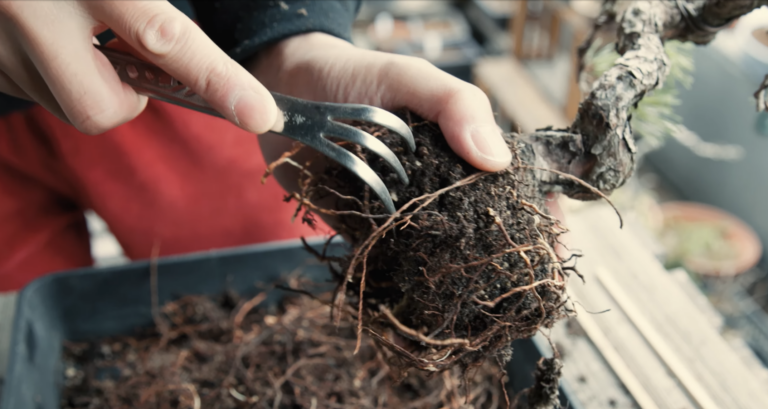
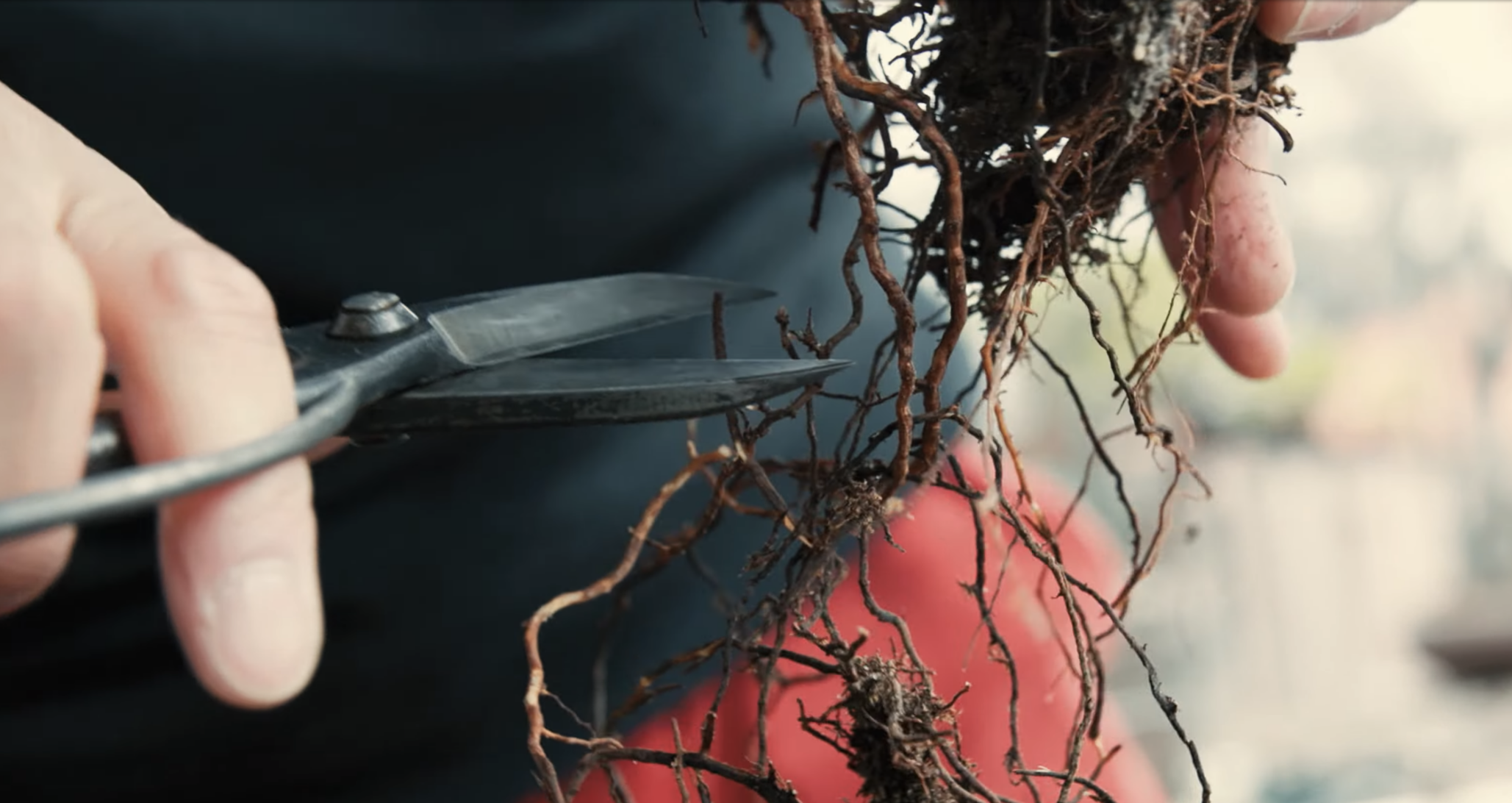
During repotting, use root rakes and picks to remove old soil, then inspect the roots before trimming back long roots and others that need shortening. Use scissors to trim fine roots and root cutters for hard roots or those that scissors struggle to cut, staying within the cutting capacity of each tool.
Some bonsai scissors can also be used for root pruning. Because soil and grit can come into contact with the blades during root work, keeping separate scissors for roots helps preserve the cutting edges of those used on branches and foliage.
How to Choose Bonsai Root Scissors
Start with blades suited to the thickness and hardness of the roots you need to cut. Scissors approved for root use are useful for trimming fine roots a little at a time. For roots that are difficult to cut with scissors, consider a root cutter and check the manufacturer’s stated cutting capacity. Blade length is not the same as the diameter of root a tool can cut.
Next, check whether the blades can reach the place you need to cut. Consider blade length and thickness, as well as overall tool length and how comfortably the handles fit your hand. A compact, easy-to-handle model is an option for small root balls and detailed work.
Compare materials by ease of care and resistance to rust. Steel tools need cleaning and rust prevention after use. Stainless steel is an option when rust resistance is a priority, but neither material should be stored with soil or moisture left on it.
Bonsai Root Scissors and Cutters: Models
| Model | Overall Length | Material / Type | When to Choose It |
|---|---|---|---|
| Kaneshin Small Bonsai Scissors No.40J | 160mm | Steel / scissors | Trimming fine roots |
| Kaneshin Small Stainless Steel Bonsai Scissors No.833 | 160mm | Stainless steel / scissors | Trimming fine roots with greater rust resistance |
| Kaneshin Medium Root Cutter No.13A | 210mm | Steel / root cutter | Cutting roots that scissors struggle with, within the tool’s capacity |
The No.40J and No.833 are bonsai scissors that can also be used for root pruning. Choose the steel No.40J or the stainless steel No.833 when ordering.
Kaneshin Small Bonsai Scissors No.40J
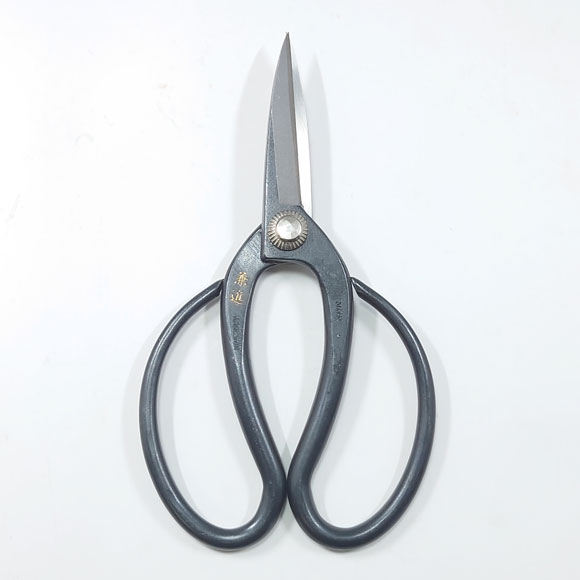
These steel bonsai scissors measure 160mm overall, with 55mm blades. These compact scissors have loop handles and can also be used for root pruning. They are useful for trimming fine or long roots after loosening the root ball, and are an option if you want a separate pair of scissors for root work.
View Kaneshin Small Bonsai Scissors No.40J on eBay →
Kaneshin Small Stainless Steel Bonsai Scissors No.833
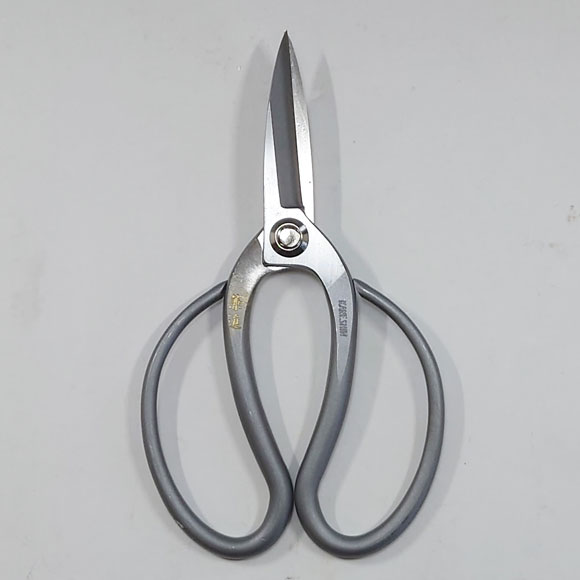
These stainless steel bonsai scissors measure 160mm overall, with 55mm blades—the same dimensions as the No.40J. They can also be used for root pruning and suit those who prefer greater rust resistance than steel offers. They are an option for trimming fine roots when ease of care is a priority.
View Kaneshin Small Stainless Steel Bonsai Scissors No.833 on eBay →
Kaneshin Medium Root Cutter No.13A

This steel root cutter measures 210mm overall. Its short, opposing blades close around the root, making it useful for roots that are difficult to cut with scissors. The manufacturer gives an approximate cutting capacity of 4–7mm in diameter. Root hardness also affects how easily a cut can be made; if considerable force is needed, switch to a larger root cutter.
View Kaneshin Medium Root Cutter No.13A on eBay →
Using and Caring for Bonsai Root Scissors
Before cutting roots, loosen the soil and remove soil and small stones from the cutting area. Grit or pebbles caught between the blades can cause chipping. Keep the tree stable, identify the roots you intend to cut, and work gradually.
Do not twist the tool sideways with the blades in a root or pull it in a way that tears the root. If a cut is difficult, withdraw the blades and change position, or switch to a tool with a suitable cutting capacity. Do not use these tools on wire.
Adjust the timing of repotting and the amount of root pruning to the species and condition of the tree. Keep the roots from drying out as you work. Avoid trimming fine roots indiscriminately; check which ones to retain as you work through the root ball.
After use, remove soil and moisture from the blades and pivot, and let the tool dry thoroughly before storing it. Apply a thin coat of rust-preventive oil to the blades and pivot of steel tools, then wipe off any excess before the next use. Stainless steel tools also need cleaning and drying. If the blades chip or no longer align properly, consult the manufacturer or retailer.
Watch the video below for a practical example of bonsai repotting.
For other tools used in repotting, see our bonsai tools guide.