Bonsai root rakes and picks are used during repotting to remove old soil and untangle roots. Choose the number of prongs, tip shape, and tool size to suit the size of the root ball and how densely the roots are packed.
This article contains advertising and affiliate links.
Uses / How to Choose / Models / Use and Care
What Are Bonsai Root Rakes and Picks Used For?
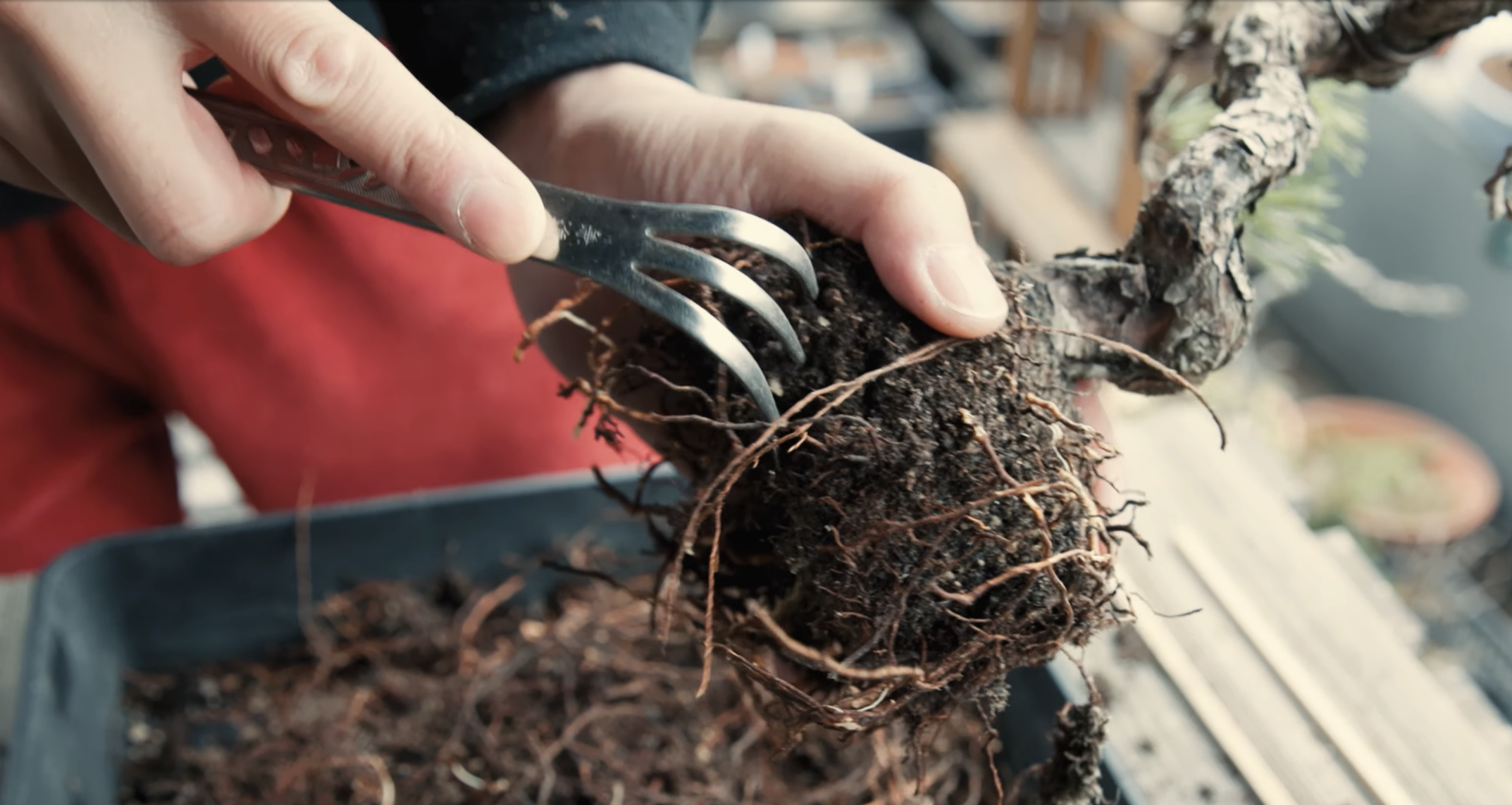
The mass of roots and soil lifted out of a pot is called the root ball. Root rakes and picks help remove old soil and untangle the roots, making it easier to prepare them for repotting.
In Japanese product listings, “nekaki” (根かき) and “nesabaki” (根さばき or 根捌き) refer to the same broad type of tool. Look at the number of prongs and tip shape when choosing, rather than relying on the name alone.
How to Choose Bonsai Root Rakes and Picks
First, choose prongs suited to the density of the roots and the area you need to work on. Single- and two-prong tools suit loosening densely packed roots a little at a time. A three-prong rake works across a wider area where roots separate more easily, helping you remove soil efficiently.
Next, check whether the tip can fit between the roots. A fine tip and a compact shape are useful for small root balls and detailed work. Consider the thickness and curve of the prongs and how comfortably you can grip the handle, as well as the overall length.
Compare materials by weight and care requirements. Steel tools need care to prevent rust. Stainless steel is an option if rust resistance is a priority. Check the actual weight and handle shape of each tool, including aluminum models.
Bonsai Root Rakes and Picks: Three Models
| Model | Prongs | Material and Shape | When to Choose |
|---|---|---|---|
| Kaneshin Root Hook No.56 | 1 | Steel hook; wooden handle | Loosening a specific area a little at a time |
| Kikuwa Aluminum Root Pick 2349 | 1 | Aluminum; straight, tapered rod | Removing soil from small gaps between roots |
| Kikuwa Stainless Steel Root Rake 2340 | 3 | Stainless steel; scorched wooden handle | Combing a wider area where roots separate easily |
Kaneshin Single-Prong Root Hook No.56

This single-prong steel root hook is 210mm long and has a wooden handle. The steel shank extends through to the bottom of the handle, where it is secured. It suits working into a specific spot between crowded roots and loosening tightly packed areas a little at a time.
View Kaneshin Single-Prong Root Hook No.56 on eBay →
Kikuwa Aluminum Root Pick 2349
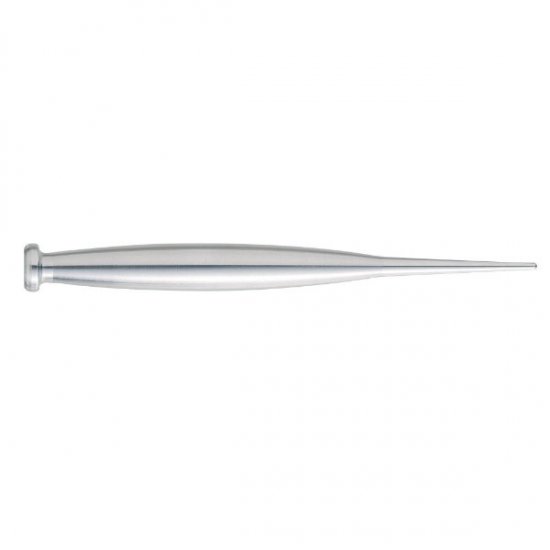
This root pick is machined from aluminum, measures 170mm long, and weighs about 50g. Its straight shaft tapers toward the tip, allowing detailed work to remove soil from gaps between roots. It is an option if you prefer working with a compact, rod-shaped tool.
View Kikuwa Aluminum Root Pick 2349 on eBay →
Kikuwa Three-Prong Stainless Steel Root Rake 2340
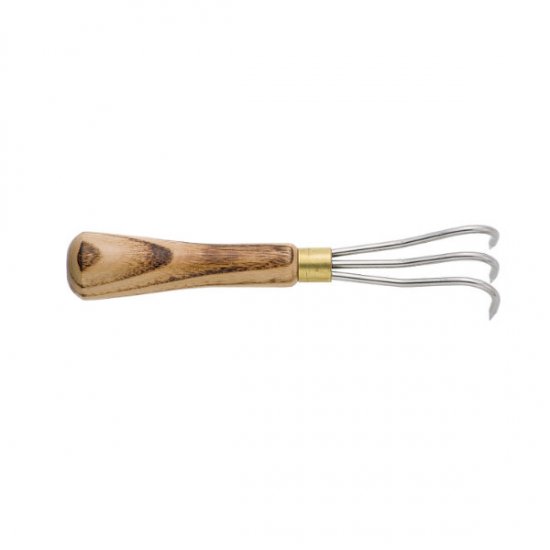
This root rake combines three stainless steel prongs with a scorched wooden handle. It suits combing areas where roots separate relatively easily, such as around the outside or underneath the root ball, to remove soil efficiently across a wider area.
View Kikuwa Three-Prong Stainless Steel Root Rake 2340 on eBay →
Using and Caring for Bonsai Root Rakes and Picks
Keep the tree stable and loosen the root ball gradually, starting at the outside. If you feel strong resistance, withdraw the prongs and change their position or angle. Where a three-prong rake catches firmly, switch to a single-prong tool or another suitable pick rather than tearing through the roots.
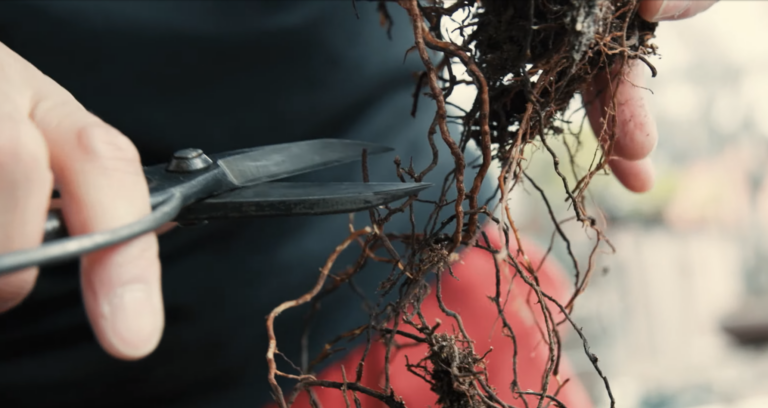
Adjust how much soil you remove and how much root work you do to the species and condition of the tree. Keep the roots from drying out as you work. Before cutting roots with root pruning scissors or a similar tool, remove soil and small stones from the cutting area.
After use, remove soil and moisture and let the tool dry thoroughly before storing it. Apply a thin coat of rust-preventive oil to steel prongs, then wipe off any excess before the next use. Do not leave wooden handles soaking in water. Stainless steel and aluminum tools also need cleaning and drying. If the prongs bend or the handle becomes loose, consult the manufacturer or retailer.
Watch the video below for a practical example of bonsai repotting.
For other tools used in repotting, see our bonsai tools guide.