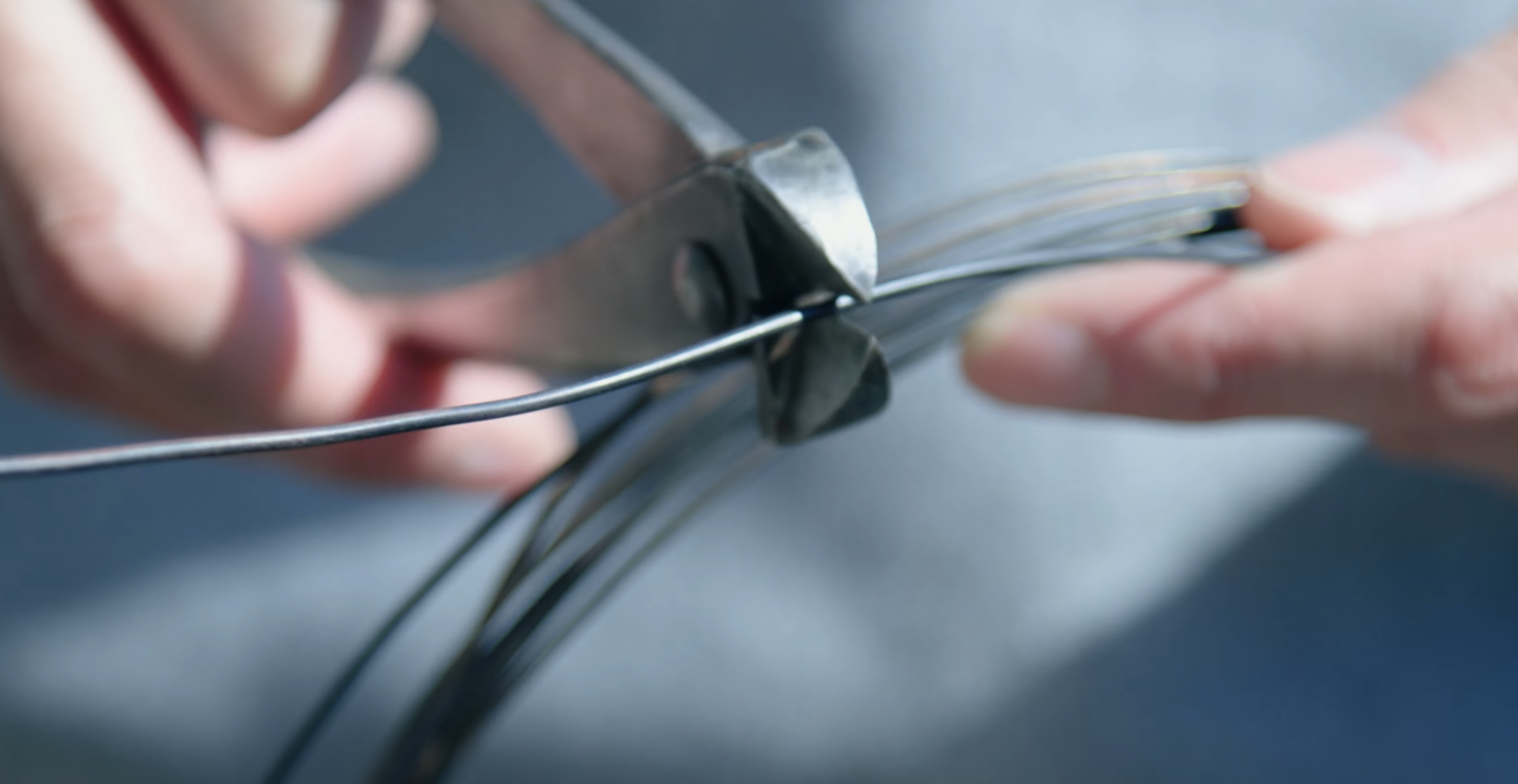
Bonsai wire cutters are used to cut wire to length and to remove wire wrapped around branches. Choose a cutter with enough capacity for your wire’s material and thickness, and a head that fits easily beside branches.
This article contains affiliate links.
Uses / Choosing a cutter / Product overview / Use and care
What bonsai wire cutters are used for
Wire cutters are used before wiring, when cutting wire to length, and afterward, when removing it. Keep them separate from the scissors you use to prune branches and foliage.
Pulling and unwinding wire can damage bark and buds. Cutting it one turn at a time into short sections lets you remove it without putting unnecessary strain on the branch.
Use bonsai pliers to grip and remove short pieces of cut wire that are difficult to grasp with your fingers. Avoid catching bark or buds, and do not pull the pieces forcefully.
How to choose bonsai wire cutters
First, check that the cutter can handle the material and thickness of your wire. The same tool may have different cutting limits for aluminum and copper. Choose by the manufacturer’s cutting capacity rather than overall length or a “small” or “large” label alone.
Next, check whether the head can reach the point you want to cut. Head size matters where branches are close together. Compare scissor-style cutters with rounded-head models, and choose a grip that feels comfortable to use.
How to choose bonsai aluminum wire →
How to choose bonsai copper wire →
Bonsai wire cutter models
| Product | Length | Cutting capacity (manufacturer’s specifications) | When to choose it |
|---|---|---|---|
| Kikuwa Stainless Steel Wire Cutter 2308 | Approx. 160mm | Aluminum: up to 2.5mm Copper: up to #16 | Cutting thinner wire to length |
| Kaneshin Small Wire Cutter No.22A | Approx. 180mm | Aluminum: up to 3.5mm Copper: up to 2.3mm (#13) | Cutting off wire wrapped around branches |
| Kaneshin Large Wire Cutter No.511 | Approx. 200mm | Aluminum: up to 6mm (5mm and above require two cuts) Copper: up to 4mm (#8) | Cutting thicker wire |
The cutting capacities and copper gauge numbers follow the manufacturers’ specifications. Do not assume these gauge numbers are AWG equivalents. If a seller lists different limits, follow the manufacturer’s guidance and stay within the stated capacity.
Kikuwa Stainless Steel Wire Cutter 2308
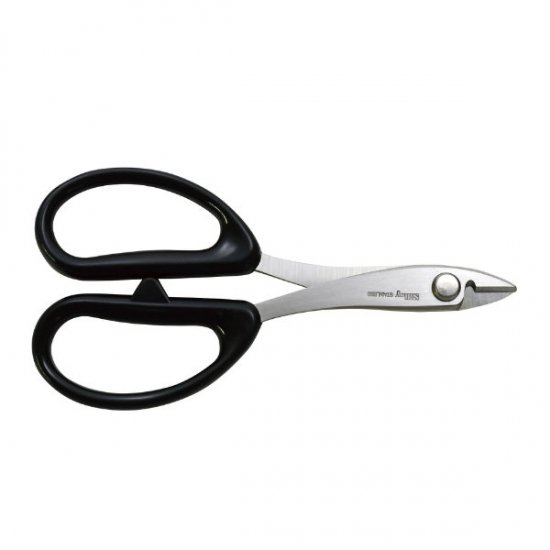
This stainless steel, scissor-style cutter is about 160mm long and weighs about 60g. It is suited to cutting thinner wire to length, including aluminum wire up to 2.5mm. Choose it if you prefer a lightweight tool with scissor-style handles.
View Kikuwa Stainless Steel Wire Cutter 2308 on eBay →
Kaneshin Small Wire Cutter No.22A
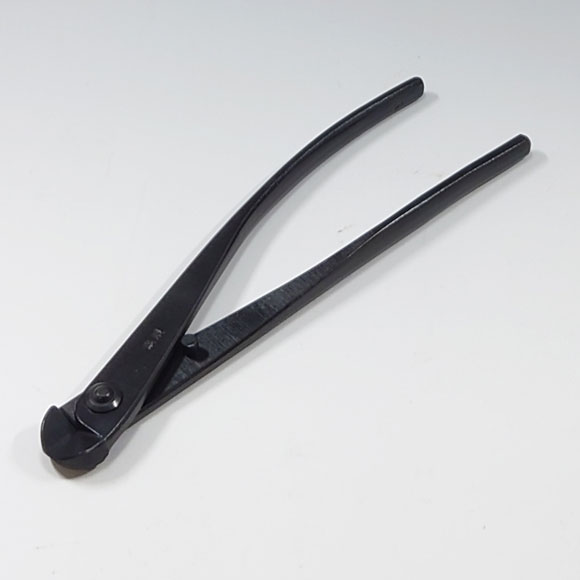
This steel cutter is about 180mm long and has a rounded head. Use it to cut wire off branches one turn at a time. It suits routine work with wire within its cutting capacity, such as 3mm aluminum or 2mm copper.
View Kaneshin Small Wire Cutter No.22A on eBay →
Kaneshin Large Wire Cutter No.511
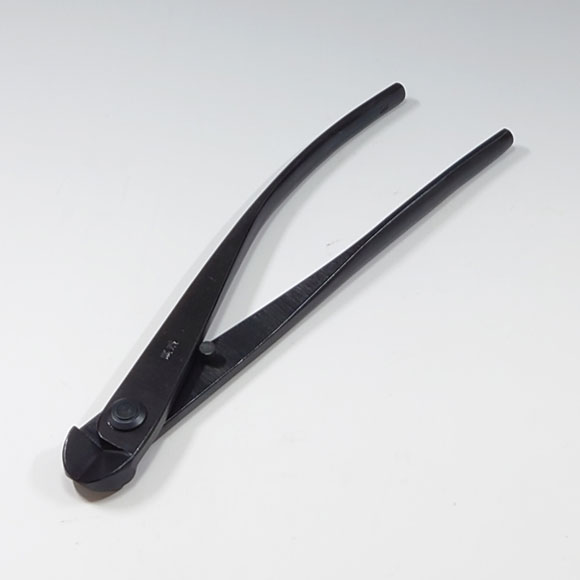
This steel cutter is about 200mm long and has a rounded head like the small model. Choose it for cutting and removing wire thicker than the small model’s limits, such as 4mm aluminum or 3mm copper.
View Kaneshin Large Wire Cutter No.511 on eBay →
Using and caring for bonsai wire cutters
When removing wire, position the head so that the jaws do not catch bark or buds. Cut each turn of wire to divide it into short sections, then remove the pieces without forcing or pulling them. Check branch growth regularly after wiring so you can remove the wire before it bites into the bark.
If the wire does not cut with light pressure, do not force the handles or twist the tool. Check the wire thickness against the cutter’s cutting capacity.
After use, wipe away dirt and moisture, and store the cutter dry. Apply a thin coat of rust-preventive oil to steel tools and maintain the pivot. Do not leave stainless steel cutters wet either. If the blades are chipped or the tool no longer opens and closes smoothly, seek advice on repair or sharpening.